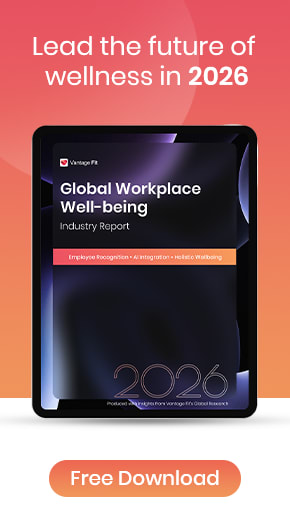
A wellness program manager is the professional who designs, implements, and manages an organization’s health and wellness strategy, from health screenings to engagement challenges. They serve as the bridge between leadership’s goals and employee wellbeing. McKinsey’s Future of Wellness survey found that 82 percent of US consumers now rate wellness as a top daily priority.
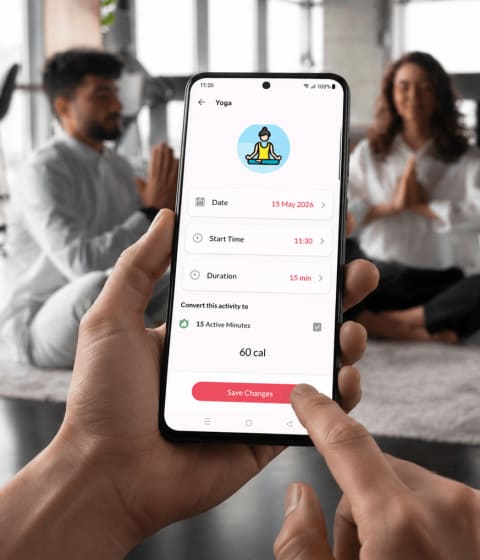
Corporate wellness is no longer a perk; it’s a strategic necessity for retention, and most workplaces today have a designated wellness administrator or program manager to lead it. This job role is gaining momentum in the corporate sector, given the rise in health issues among employees. Many of these managers now rely on a dedicated software layer, platforms like Vantage Fit, to run engagement challenges and consolidate participation data instead of tracking everything in spreadsheets.
The wellness program manager is a role suitable for those who love to follow and advocate a healthy lifestyle.
This blog will give you an overview of how to become a successful corporate wellness program manager.
Key Takeaways
- A wellness program manager designs, implements, and measures an organization's health and wellness strategy, bridging leadership goals and employee wellbeing.
- McKinsey's Future of Wellness survey found that 82 percent of US consumers now rate wellness as a top or important daily priority.
- A bachelor's degree in health promotion, public health, or a related field is the typical minimum qualification, with certifications like Certified Wellness Specialist adding credibility.
- The HHS Report to Congress on Workplace Wellness found that 51% of organizations with 50 or more employees offer some kind of employee wellness program.
- Digital platforms that centralize challenge management and participation tracking make the role easier to execute at scale than manual processes.
What is a Wellness Program Manager?
A wellness program manager (or wellness coordinator) is a professional responsible for the design, implementation, and management of an organization’s health and wellness strategy. Their primary goal is to improve the workforce’s perception of a healthy lifestyle and amp up productivity by implementing comprehensive corporate wellness programs.
They serve as the bridge between leadership’s goals and employee wellbeing, often managing everything from wellbeing initiatives to tracking the ROI of wellness programs.
Steps to become a Corporate Wellness Program Manager
The primary role of a wellness program manager is to improve the workforce’s perception of a healthy lifestyle and improve productivity by implementing comprehensive corporate wellness programs. Before we start with the details, it’s worth mentioning here that a wellness program manager is also termed as -
- Health Promotion Specialist
- Corporate Wellness Specialist
- Occupational Health and Wellness Specialist
- Total Well-being Manager
- Health and Fitness Manager
- Corporate Wellness Director
A Wellness program manager’s responsibilities involves creating and implementing wellness programs to improve employees’ health. They also have the authority to develop new policies in this regard. Hence, the designated person should have a bachelor’s degree in health, wellness, or a related field.
An ideal wellness program manager should have excellent communication skills and an empathetic outlook.
Now, let’s delve into the different steps related to becoming an efficient corporate wellness program manager.
Step 1: Understand the duties and responsibilities of a wellness program manager

A wellness manager comes up with innovative wellbeing initiatives for the organization’s goals.
What does a wellness program manager do?
Here are some day-to-day duties and responsibilities of this role:
- To conduct organization-wide assessments to clearly understand the employees and the organization’s health requirements.
- To research and curate wellness programs targeting the various dimensions of wellness.
- To design and launch every wellness challenge intended to drive engagement.
- To bring wellness-oriented experts to conduct seminars on health events like Breast Cancer Awareness Day, World Diabetes Day, etc.
- To arrange timely health screenings.
- To partner with fitness centers and arrange free classes for employees to join.
- To partner with wellness merchants to offer discount coupons to avail health services.
Traci Fisher, an executive wellness coach and managing director of two Cleveland-based health and wellness companies, cautions against designing one-size-fits-all programs:
"Many well-meaning corporations design programs that are just the walking program or lose the weight. People are tired of being told that they need to lose the weight. They certainly do not want to be shoulded on."
— Traci Fisher, Executive Wellness Coach | Listen to the full episode
For most program managers, the biggest challenge isn’t designing the wellness strategy but executing it.
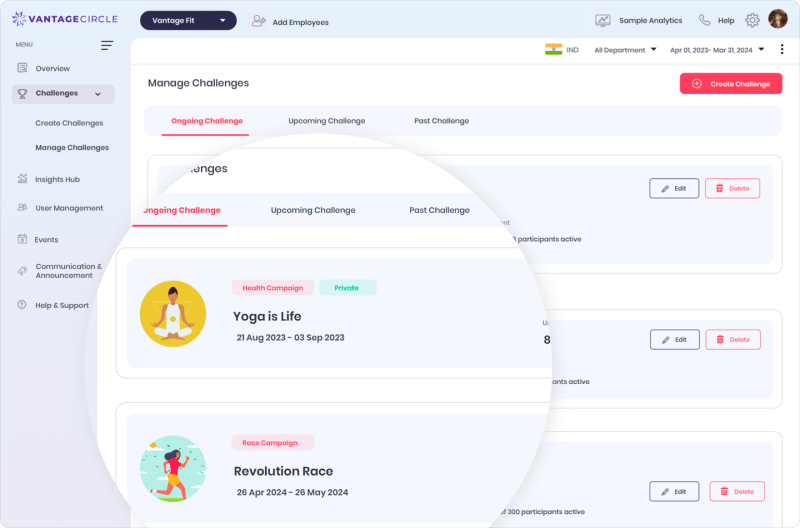
Digital platforms like Vantage Fit simplify this process by providing a centralized Challenge Builder and an Admin Dashboard. Instead of manually tracking participation, managers can use such automated tools to launch organization-wide initiatives, set audience targeting, and monitor real-time engagement metrics.
Step 2: Build Your Educational Foundation
This is the most critical and essential step in becoming a successful wellness manager. As I mentioned earlier, a bachelor’s degree is the minimum qualification required to apply for this role. However, getting a degree directly relevant to the job description is more appropriate.
So, what educational path should you take to become a wellness program manager?
These are some significant subjects that you should consider for a bachelor’s degree:
- Health promotion
- Public Health
- Health education
- Kinesiology
- Nutrition
- Applied psychology
Best colleges and universities for Wellness Program Manager
I am listing some popular educational institutions in the U.S and other international locations. Do note that there are more other universities and colleges that cater courses related to health and wellness.
United States
- University of Michigan: Popularly known for its School of Public Health, they offer programs like MPH in Health Promotion and Health Behavior.
- Johns Hopkins University: They offer a wide range of public health programs, including an MPH with a concentration in Health Education and Promotion.
- University of North Carolina at Chapel Hill: Known for its Gillings School of Global Public Health. They also offer various public health degrees necessary to qualify for a healthcare professional job.
- Pennsylvania State University: They offer a Master of Science degree in Health Education and Promotion.
- University of California, Los Angeles (UCLA): Offers a variety of health sciences programs, including a Master of Public Health with a concentration in Health Promotion and Disease Prevention.
International
- University College London (UCL): This institution offers a Master of Public Health (MPH) program focusing on health promotion.
- University of Sydney: Offers a Master of Public Health (MPH) program with a variety of subject options like health promotion.
- University of Toronto: Offers a variety of health sciences programs, including a Master of Public Health (MPH) with a focus on health promotion.
- University of British Columbia: Offers a Master of Public Health (MPH) program with a focus on health promotion and disease prevention.
Every program starts with a needs assessment. Use the free Employee Wellness Survey Template to structure the organization-wide assessment you'll run before designing or updating your wellness strategy.
Step 3: Develop Your Qualifications

When the term “Qualifications” comes in, we usually consider the educational certificate that matters for a particular job. Apart from that, qualifications also involve acquired working knowledge of the role.
Here are some more ways to build a career path for wellness program managers:
Acquire Certifications:
Having certifications is like assuring your future employer that you have obtained the required training for the wellness program manager role.
A few recognized options are the Certified Health Education Specialist (CHES) credential from NCHEC, WELCOA’s Well Workplace Practitioner program, and the Chapman Institute’s WellCert track, which progresses from Certified Wellness Program Coordinator (CWPC) to Certified Wellness Program Manager (CWPM).
Check out 14 corporate wellness certification programs compared for the full list, or explore wellness coaching certifications if coaching is more your focus.
Gain Experience Through Internships and Entry-Level Jobs:
Having on-the-job experience will give you the extra mile in locking down the role. If you are new to this field, then apply for an intern role or an executive to learn the ABCs of working on the job.
Develop Essential Skills:
To become an ideal wellness program manager, you should develop or have the following skills:
- Should be able to strike up a conversation and have a warm attitude towards the recipient.
- Know how to create engaging strategies to boost the workforce’s health and wellness.
- Possess proficiency in project management and measuring the project’s outcome.
Build a Strong Online Presence:
Nowadays, having a robust social media footprint is like a stepping stone to any desired job role, especially one that requires engagement. Build a professional portfolio using free website-building platforms like Wix, WordPress, Shopify, etc.
Additionally, start building your LinkedIn profile, growing your connections, and curating posts reflecting your knowledge of the subject. Connect with other wellness curators and experts to learn more. You can also share your views, making your insights visible online.
Step 4: Chart Your Career Advancement Path
The next step to mastering being a manager in the wellness field is to stay updated and grow your network.
The wellness industry often gets bombarded with something revolting. As someone who is in this field, catching up with the latest trends is a must. This will come in handy for you to crack your job interview and will depict your innate interest.
Shubham Sanghavi from Avalon Consulting found that leveraging Vantage Fit provided the necessary oversight to manage and celebrate employee health milestones:
"From a corporate perspective, Vantage proved to be a powerful tool with its intuitive features like activity tracking, goal setting, and real-time leaderboards. The app's analytics provided clear insights into participation levels and helped us recognize and celebrate achievements effectively."
— Shubham Sanghavi, Avalon Consulting
Step 5: Explore the average salary for the Wellness Program Manager
It’s also wise to learn about the average salary package employers are offering for a job role and the associated corporate wellness programs cost. You can also refer to a company analysis platforms which provides insights about your desired organization’s work culture and more.
Step 6: Landing Your Dream Job as a Wellness Program Manager
Tailor Your Job Search and Application Materials:
A resume is mandatory to make a lasting impression when you apply for the job. Your resume is your identity and your ticket to locking an interview. You can also have a cover letter ready in case HR asks for it.
Go through the companies looking for the wellness program manager and their job responsibilities. Study their existing wellness strategies and add elements to your resume that reflect your expertise.
Prepare for Job Interviews:
Prepare yourself to answer the basic interview questions. Working on how you will introduce yourself at the job interview is essential. Most importantly, study everything about the organization, its core values, products, and its journey so far.
Find relevant Wellness Program Manager Jobs:
Get ready to go on a job opening hunt on the internet. Here are some sites that will assist you in finding your dream job.
Bonus Step: Consider Specialization:
If you want to shine among the applicants, undergo additional training or pursue an extra certification course. Apart from the above-mentioned subject courses that are desirable for this role, having specialized expertise in mental health or stress management may help you get the job.
Is Being a Wellness Program Manager Right for You?

So, how do you find out if a wellness program manager role will be suitable for you? Here are some traits that are required to fit in this role:
- Passionate about improving people’s lives
- Have strong organizational and communication skills
- Enjoy working collaboratively
If you possess the above traits, then, a career as a wellness program manager might be ideal for you.
Projected Wellness Program Manager Job Growth and Employment Opportunities:
If you are wondering about the prospects of this job, the demand is only going to grow. If you look around or even surf the web, the wellness industry will expand exponentially. This means the need for wellness admins and wellness program managers will gain momentum in the long term.
Final Words
Working as a corporate wellness program manager is a fulfilling journey. You will be able to guide people into a wellness voyage and cultivate and instill the passion for living healthy among the masses.
The HHS Report to Congress on Workplace Wellness found that approximately 51% of organizations with employee sizes of 50+ offer some kind of employee wellness program. Follow the above seven steps dedicatedly, and at the same time, work on your wellness. And that is how you can build a successful career as a wellness program manager.
Frequently Asked Questions
What qualifications do you need to become a wellness program manager?
Most employers require a bachelor's degree in health promotion, public health, health education, kinesiology, nutrition, or applied psychology. A certification such as Certified Wellness Specialist, along with internship or entry-level experience, strengthens a candidate's application.
What does a wellness program manager do day to day?
A wellness program manager runs organization-wide health assessments, curates and launches wellness challenges, arranges health screenings, and partners with fitness centers and wellness vendors. Increasingly, they use a digital platform to manage participation and engagement at scale.
Is a wellness program manager the same as a wellness coordinator?
Yes. Wellness program manager, wellness coordinator, health promotion specialist, and corporate wellness specialist all describe the same core role: designing and running an organization's health and wellness strategy, though the exact title varies by employer.
What skills does a wellness program manager need?
Strong communication and empathy, project management proficiency, and the ability to measure a program's outcomes are essential. Employers also value experience building engaging, inclusive wellness strategies rather than generic, one-size-fits-all programs.