
Wellness Programs
Holiday Wellness: How HR Can Support Employees During a High-Stress Season
Holiday wellness refers to staying mentally, emotionally, and physically balanced during the festive season.

Holiday wellness refers to staying mentally, emotionally, and physically balanced during the festive season.

Mental health challenges in the construction industry remain a largely silent risk. Workers deal with job uncertainty, physical strain, and isolation.
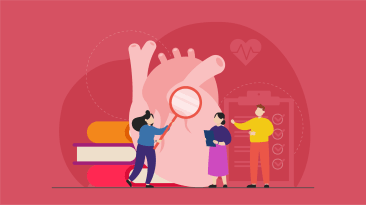
Implementing heart-healthy workplace policies is essential for improving employee wellbeing. That reduces healthcare costs and fosters a positive workplace culture.

Running to work is an excellent alternative to commuting. It is a much cheaper way of getting to the office and employees don't have to stress out due to traffic.

A behavioral change strategy is a structured way to help people replace unhealthy habits with healthier ones.
Even though, like every year, you too must have made a long list of new year resolutions with some fantastic health goals as your top priority!

Office Olympics foster engagement, strengthen relationships across departments, and offer opportunities for individual expression.

A workplace running club encourages employees to stay active. It fosters a sense of community and promotes a culture of well-being.
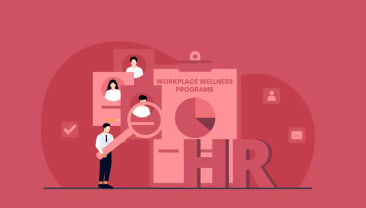
As HR leaders, you're in the best position to reverse this trend. Your deep understanding of employees' needs and motivations makes you the natural architect of a healthier, more engaged workforce.
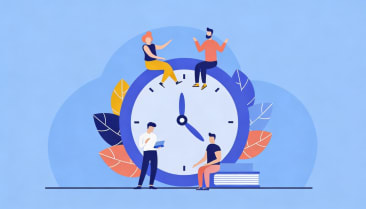
Most wellness programs are built for office workers. Here is how to design accessible, flexible wellness for hourly and frontline employees who actually need it.

A well-planned budget aligns with the company's size, addresses employee needs, evaluates available resources, and supports long-term sustainability.

An employee wellness survey is a questionnaire employers use to measure the physical, mental, financial, and social wellbeing of their workforce.

Setting behavioral goals helps you master professional conduct, improve team collaboration, and elevate your career. Learn 15 actionable behavioral goal examples for the modern workplace.