Brain fog is a hazy, unfocused mental state where thinking slows, words get harder to find, and small tasks take longer than they should. It describes a set of symptoms rather than naming a diagnosis, and at work it usually traces back to sleep, stress, diet, hormones or an underlying condition.
Have you ever found yourself staring at your screen, unable to focus, or walked into a room thinking, “What did I come here for again?”
If so, you’re not alone. It reaches an employer as slower output, more small mistakes and harder decisions.
Vantage Fit’s Mental Well-being features carry a private daily mood check-in and a guided audio library for focus and sleep, so a foggy fortnight leaves a trace instead of passing unnoticed.
Let’s look at what causes it, and what clears it.
Key Takeaways
- Brain fog is a symptom, so the fix depends on what is causing it in that particular person.
- Work quality drops before anyone mentions feeling foggy, which is why it reads as carelessness.
- Sleep is the first thing to check, because a short night dulls focus and recall the next day.
- Hormonal change, low vitamin B12, and conditions such as anaemia or thyroid disease each produce the same fog.
- Employers shift the odds most by cutting the workload that keeps people up late in the first place.
What Brain Fog Feels Like

Picture trying to concentrate on something important while your thoughts scatter, so the work takes twice as long and still comes out rough. Forming a new thought is hard, and putting one into words is harder.
It is not a clinical term, and it turns up alongside depression, anxiety and stress as well as on its own. You can feel it without meeting the criteria for any diagnosis at all.
Symptoms Of Brain Fog
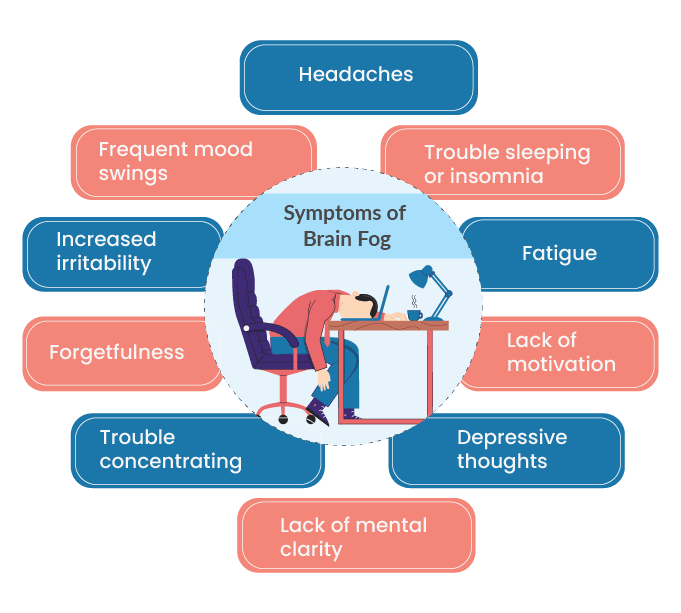
Here are some of the common symptoms of brain fog -
-
Headaches
-
Trouble sleeping or insomnia
-
Frequent mood swings
-
Trouble concentrating
-
Increased irritability
-
Forgetfulness
-
Lack of motivation
-
Depressive thoughts
-
Lack of mental clarity
Impact Of Brain Fog on Work Performance
Brain fog can sit behind a slow week without anyone ever naming it.
You become slower and less efficient when you suffer from brain fog. It can often lead to you dropping balls and burning bridges without intending to. As a result, you won’t be able to make any decisions at work with precise attention to them, resulting in negative and poor performance.
Here are some examples of how brain fog can impact your work performance -
1. Decreased Productivity

The haziness that comes with brain fog often leads to decreased productivity. Simple tasks may take longer than usual, impacting overall output.
2. Errors and Mistakes
In a foggy mental state, errors and mistakes become more likely. Whether it’s a typo in an email or a miscalculation in a report, brain fog can compromise the quality of work.
3. Difficulty in Decision-Making

Critical decision-making processes are hindered when brain fog sets in. Choosing the best course of action becomes a daunting task.
4. Interpersonal Challenges
Effective communication may suffer, leading to misunderstandings and potential conflicts with colleagues.
5. Impact on Mood

Brain fog can contribute to mood swings, creating a less-than-ideal work environment for both the individual and their colleagues.
Why Might Brain Fog Be Happening To You? 5 Causes of Brain Fog At Work
Before you jump into the solutions for managing the symptoms of brain fog, first, you need to understand why or what may be causing yours. There is no precise reason you might be experiencing brain fog, but one thing is clear: the first and most important step is to take a deeper look into your lifestyle.
Although there are several explanations for why you might be experiencing brain fog, here are some of the common possible reasons behind it -
1. Stress

Stress is the most common driver at work. Long hours and unrelenting pressure wear down the attention you have left, and the fog is what that feels like.
Exhausting your brain makes it harder to think, reason, and focus, and the effect builds the longer the pressure lasts.
2. Lack of Proper Sleep
Another cause of brain fog could be the lack of sleep hygiene or sleep deprivation. Poor sleep quality and overwork can interfere with how well your brain functions. It can wear out your physical and mental health, making you tired and forgetful.
The CDC sets the adult minimum at seven hours a night, and counts sharper thinking among what a full night delivers.
3. Hormonal Imbalance
Hormonal change can bring it on too. A fall in estrogen and progesterone is linked to short-term cognitive complaints, and a review of menopause and cognition reports that 44% to 62% of women going through the transition describe exactly this.
The same review lists irritability and forgetfulness among the symptoms that track a falling estrogen level.
4. Food Habits And Diet

Diet and food habits play an important role in brain fog. Lack of nutrition and vitamins can affect your ability to focus and think. Low vitamin B12 is one to rule out, since the NIH counts tiredness and nerve-related problems among what a shortfall produces.
A food allergy or intolerance can bring it on too, with peanuts and dairy among the common triggers.
5. A History of Medical Conditions
You can develop brain fog if you have a certain history of medical conditions. Medical conditions associated with inflammation, fatigue, or changes in blood level or glucose can cause mental fatigue. Also, brain fog is one of the symptoms of chronic fatigue syndrome.
Other medical conditions that can cause brain fog include:
-
Anemia
-
Depression
-
Diabetes
-
Migraine
-
Alzheimer’s disease
-
Hypothyroidism
-
Dehydration
-
Viral infections like COVID-19
You can keep track of your daily food intake by keeping a journal or using a wellness app to log your meals. It will help you determine if your diet contributes to brain fog.
Can Brain Fog Be Managed? 5 Tips to Deal with Brain Fog at Work
The answer is yes if you are worried about brain fog or wonder if it can be managed. People experience brain fog for various reasons, and the treatments also vary. Regardless of what’s causing you to feel foggy at work, you can follow a few steps to return to feeling focused, sharp, and productive.
For organizations, addressing brain fog at scale means giving employees structured support alongside individual tips.
Movement is the part with the clearest evidence behind it. Among 292 employees tracked with accelerometers, the least active band fell sick four times as often as those clearing 150 minutes a week.
A structured wellness program can carry that as a shared habit rather than leaving it to willpower, with guided audio short enough to finish between meetings.
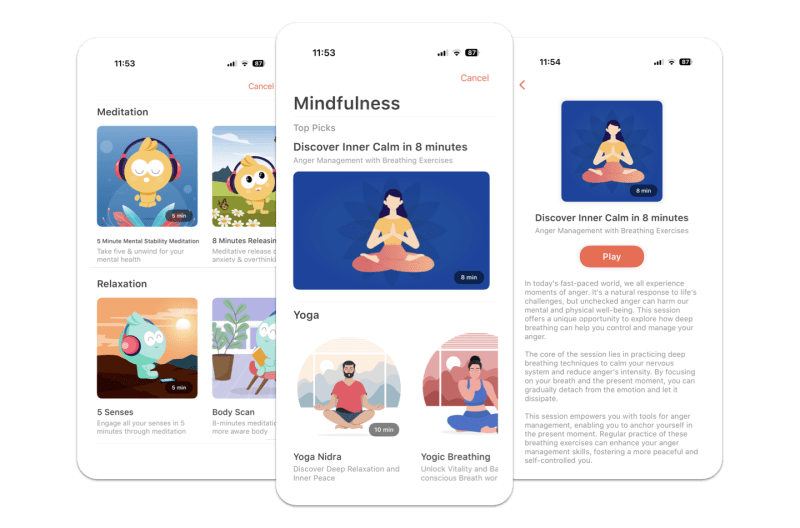
Remember, modifying your lifestyle choices and correcting your habits can greatly assist you in managing your brain fog. Here are 5 tips for dealing with brain fog at work -
1. Get Adequate Rest And Sleep.

One of the best and most effective ways to fight against brain fog is to get enough sleep. Even if you have a looming deadline, try to take a break without guilt and get sleep. Establishing a consistent sleep routine is crucial for cognitive function.
Give yourself a full seven hours at least, and keep your bedtime steady through the week.
Suggested Read: Try the Sleep Challenge and Feel More Productive at Work
2. Prioritize and Break Down Tasks.
Being overworked leads to stress, one of the key causes of brain fog. So, to manage it, you must first declutter your calendar and take a break to prioritize the task.
Tackle one task at a time and break larger projects into smaller, more manageable parts.
Suggested Read: 47 Unique Stress Management Activities for Employees
3. Incorporate Mindfulness Into Your Lifestyle.

While work can be stressful and overwhelming occasionally, you can always hit the pause button and take some time off the screen.
Dealing with work can become difficult when you are already dealing with fatigue and other mental health conditions; taking time to practice mindfulness techniques can help you a lot.
Simple mindfulness practices like taking a 10-minute break from the screen and meditating or practicing deep breathing can help you focus your awareness in the present moment and train your mind to be clearer. It will help to alleviate brain fog and promote mental clarity.
Stepping away from work for a few minutes can help you clear your mind and refocus.
4. Get More Physically Active.

Another great way to reduce mental fog is by practicing physical activity. It can be exercise, workout, cycling, or even yoga . When you are physically active, your body releases endorphins, which help to improve your mood.
The CDC says regular activity keeps thinking, learning and judgment sharp, lowers the risk of depression and anxiety, and helps you sleep better. Each of those feeds back into positive thinking and clearer days.
Incorporating physical activity into your lifestyle doesn’t need to be a rigorous workout routine or running a marathon. It can be as simple as ditching the elevator and taking up the stairs at work instead.
Suggested Read: 20 Desk Exercises That Help To Boost Employee Health
5. Maintain a Balanced Diet.
If you’re in the hustle culture of rushing to work on time and not missing anything, you might miss out on proper food. Having a quick bite or ordering food from a fast food chain might have been a guilty pleasure.
As a result of this unhealthy cycle, insufficient nutrition, vitamins, healthy fats, or even protein are unavailable to the body. Consequently, mental fatigue and fog develop.
To prevent brain fog, drink plenty of water and eat nutritious meals.
DHA, an omega-3 fat found in oily fish, is concentrated in the brain and the retina. Trials of omega-3 supplements for thinking and memory have produced mixed results, so treat it as part of a good diet rather than a fix.
How to Support Employees Through the Fog?
Recognizing the signs of brain fog and implementing supportive measures can significantly improve the work experience for your employees.
Here are some strategies employers or organizations can implement as part of a wider employee wellness and stress management strategy -
1. Recognize and Normalize Brain Fog

Understanding that brain fog is a common experience can help destigmatize it in the workplace. Make sure to raise more awareness and normalize discussions around mental well-being. Train managers to recognize and support employees with brain fog.
2. Offer Flexible Work Arrangements
Flexible schedules or remote work options can provide employees with the autonomy to manage their workload during periods of brain fog.
Introduce a holistic wellness program that addresses both physical and mental well-being. Include resources for stress management and mental health support.
Suggested Read: How To Boost The Mental Health Of Remote Workers?
3. Promote Healthy Habits and Well-being

Encourage regular exercise, healthy eating, and other wellness activities that contribute to overall well-being. Challenges that pay out for the habit itself help it stick: Vantage Fit’s wellness program awards points on challenge tasks and milestones, redeemable for gift cards.
### 4\. Adaptively Manage Workloads And Communication.During periods of brain fog, consider adjusting workloads or providing additional support.
You can encourage employees to communicate confidently about their needs. Remember, transparency and open communication are key.
5. Foster a Supportive Culture

Create a workplace culture where employees feel comfortable communicating their needs and seeking support when necessary. You can partner with healthcare professionals for on-site consultations or workshops.
Suggested Read: 8 Ways To Create And Nurture A Culture Of Wellness In The Workplace
Frequently Asked Questions
Is brain fog a medical diagnosis?
It is a description, not a diagnosis. Doctors use the phrase to group slowed thinking, poor recall and trouble concentrating, then look for the cause underneath. That cause can be short sleep, sustained stress, a nutrient shortfall, a hormonal shift, or a condition such as anaemia, thyroid disease or diabetes. Fog that persists, worsens, or arrives with other symptoms is worth taking to a doctor.
How much sleep do you need to think clearly?
Seven hours or more, for any adult aged 18 to 60. The CDC sets that as the nightly requirement and names better attention and memory among what enough sleep delivers. Regular hours matter alongside the total, since going to bed and waking at the same time daily is one of the habits the CDC lists for sleeping well.
Can diet cause brain fog?
A shortfall of vitamin B12 can. The NIH lists fatigue and neurological changes among its deficiency symptoms, which take years to appear. People who absorb B12 poorly are most at risk, including those on long-term metformin or proton pump inhibitors. A blood test settles it, and supplements help only where the level is genuinely low.
What can an employer do about brain fog?
Change the conditions that produce it. Trim the load, move deadlines that force short nights, and protect quiet blocks for work needing concentration. Build movement in, because employees active for under 75 minutes a week ran roughly four times the illness-absence rate of those reaching 150 minutes. Train managers to read it as a workload signal.
Summing It Up
Foggy days are common, and a workplace that adjusts load and protects rest gives employees a real chance of clearing them.
By prioritizing well-being and creating an environment that recognizes and addresses mental health, you can foster a workplace where clarity of mind and productivity thrive. Embrace these strategies, and let’s clear the fog together for a more focused and fulfilling workday.